Things You Are Allowed and Not Allowed to Throw in a Rental Dumpster
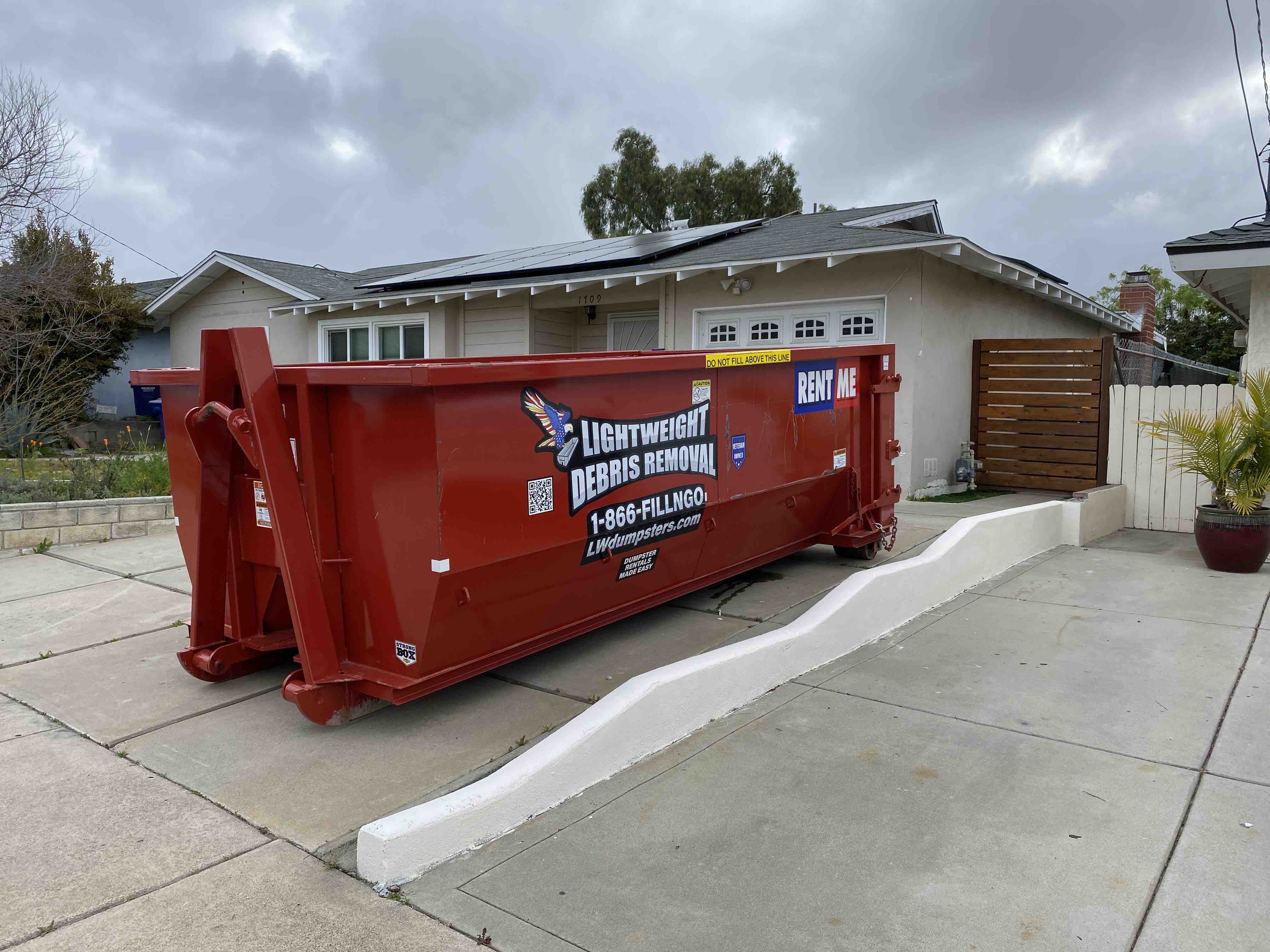
If you’re organizing a renovation or large cleanup, renting a dumpster provides an easy way to handle unwanted materials. But before loading your dumpster, it’s important to know which materials are acceptable and which should be kept out. Many customers are often surprised to learn that not all items can be thrown into a dumpster, and improper disposal can lead to complications or environmental concerns. Understanding these rules before starting your project ensures a smoother and more responsible waste removal process.
At Lightweight Debris Removal, we believe that educating our customers about proper disposal practices helps create safer and more efficient cleanup experiences. Our dumpster rental options make cleanup easier while staying aligned with local waste rules. By learning what you can and can’t place inside your rented dumpster, you can avoid unnecessary issues and ensure your project runs smoothly from start to finish.
Household Materials That Are Safe to Throw Away
Most general household debris can safely go into a rental dumpster. Furniture, clothing, paper, and other non-hazardous materials from home cleanouts are typically accepted. Old toys, rugs, and boxes that have accumulated over the years are also safe to toss in. Since these materials are non-hazardous, they’re convenient to discard during home decluttering efforts.
Additionally, many non-hazardous remodeling materials can be placed in a dumpster, such as drywall, wood, siding, tiles, and flooring. These materials are fine to include if you’re tackling a minor remodel or home improvement project. Keeping similar materials together inside the dumpster helps with efficient disposal once it reaches the landfill or recycling facility. The key is ensuring that none of the materials contain hazardous elements that could pose a safety risk.
Yard Waste and Organic Debris
Homeowners often generate large amounts of yard debris during maintenance or landscaping projects. Leaves, grass, small plants, and twigs are generally suitable for dumpsters. Whether cleaning up after a storm or doing landscaping work, dumpsters make disposal simple. These organic materials are typically recyclable or compostable, depending on the disposal facility’s guidelines.
Avoid including contaminated soil, treated wood, or chemical-laden materials in your dumpster. Chemically treated waste often requires special processing to prevent contamination. Keep organic and chemical materials separate for proper disposal. Mindful waste loading leads to a more responsible and efficient dumpster experience.
Construction and Demolition Materials
Construction and demolition projects generate a large amount of debris, much of which can be safely placed in a rental dumpster. You can usually place materials like stone, concrete, and lumber inside. These items are easy to gather and haul away in a rental dumpster during remodeling projects. Properly disposing of construction debris keeps your worksite clean and safe while maintaining compliance with local regulations.
Still, not all building materials are suitable for a dumpster. Asbestos-containing or chemically hazardous construction items should never go into dumpsters. They can be harmful to health and must follow strict environmental disposal laws. Confirm with your provider which materials are acceptable to avoid problems. Doing so saves time and helps you stay compliant throughout the cleanup.
Prohibited and Restricted Items for Dumpster Use
Some materials must not be disposed of in a dumpster because of safety hazards and legal restrictions. Hazardous materials such as paint, solvents, automotive fluids, pesticides, and batteries are strictly prohibited. Such items may release toxins into the environment, contaminating water or soil and endangering wildlife. Violating disposal rules for these items can result in costly penalties and complex cleanup obligations.
In addition to chemical-based materials, other prohibited items include electronics, appliances containing refrigerants, and medical waste. They must be processed through specialized recycling facilities or safe disposal programs. Appliances and gadgets often include components that need specialized processing. Consult your dumpster company for advice on responsible disposal options to stay compliant with environmental laws.
Disposing of Heavy or Bulky Items
Heavy items like concrete slabs, dirt, or roofing shingles can be disposed of in a rental dumpster, but there are limits to how much weight can be safely transported. Dumpsters that exceed their weight capacity pose safety and transportation risks. To avoid complications, distribute the weight evenly throughout the container and avoid mixing dense materials with lighter debris. Doing so keeps the load balanced and protects equipment during pickup.
You can also dispose of bulky furniture, large household items, or non-hazardous appliances if they fit within limits. Oversized objects can be dismantled to maximize space. Efficient packing allows you to maximize the space available while maintaining safe loading conditions. Complying with loading rules helps ensure hassle-free removal after your project.
Unsure About Certain Items?
There are times when you may be uncertain if an item is allowed in a dumpster. Items like mattresses, tires, or electronics may have varying disposal rules depending on local regulations. When in doubt, it’s best to contact your rental company for clarification before throwing them in. Your provider can advise on the right disposal method or recommend recycling alternatives. This precaution ensures compliance and safe handling of all materials.
At Lightweight Debris Removal, our team is always ready to answer questions about acceptable and prohibited materials. We encourage customers to communicate openly about the types of waste they plan to dispose of. That way, we can help you stay compliant and select the best container for your needs. When you’re informed, your cleanup becomes smoother, safer, and more cost-effective.
Environmental Responsibility and Safe Practices
Responsible waste management goes beyond simply loading items into a dumpster. You should know what happens to waste after collection to ensure eco-friendly outcomes. Dividing recyclable and hazardous items is essential for minimizing pollution. Recycling rental trash dumpsters Encinitas CA wood, cardboard, and metal whenever possible supports environmental conservation. Planning ahead before dumping waste greatly benefits the planet.
While dumpsters simplify waste removal, proper handling remains essential. Follow both regional waste regulations and company directions carefully. Organizing your trash beforehand prevents contamination and speeds up waste processing. Choosing a dependable provider guarantees ethical, rule-abiding waste management for your community.
Encouraging Smart and Safe Dumpster Use
Knowing what you can and cannot put in a rental dumpster helps you stay compliant and avoid unnecessary issues during your cleanup or renovation project. Sorting waste ahead of time makes cleanup easier and more environmentally friendly. Following proper disposal rules maximizes your dumpster’s use while promoting environmental responsibility.
Lightweight Debris Removal is dedicated to helping customers manage waste safely and efficiently. Our rentals streamline cleanup without compromising on environmental responsibility. With clear guidance on what belongs in a dumpster, you can complete your project efficiently and with confidence, knowing your waste is being managed responsibly from start to finish.